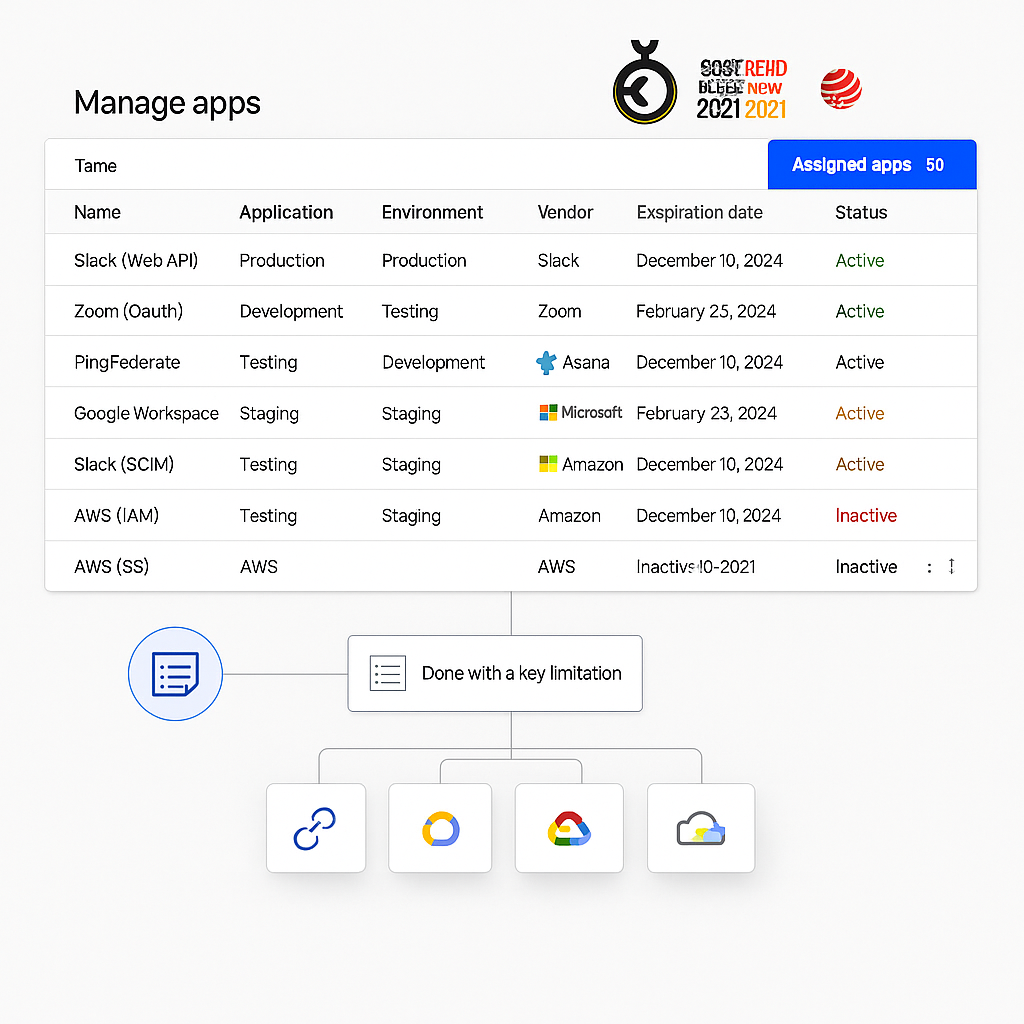
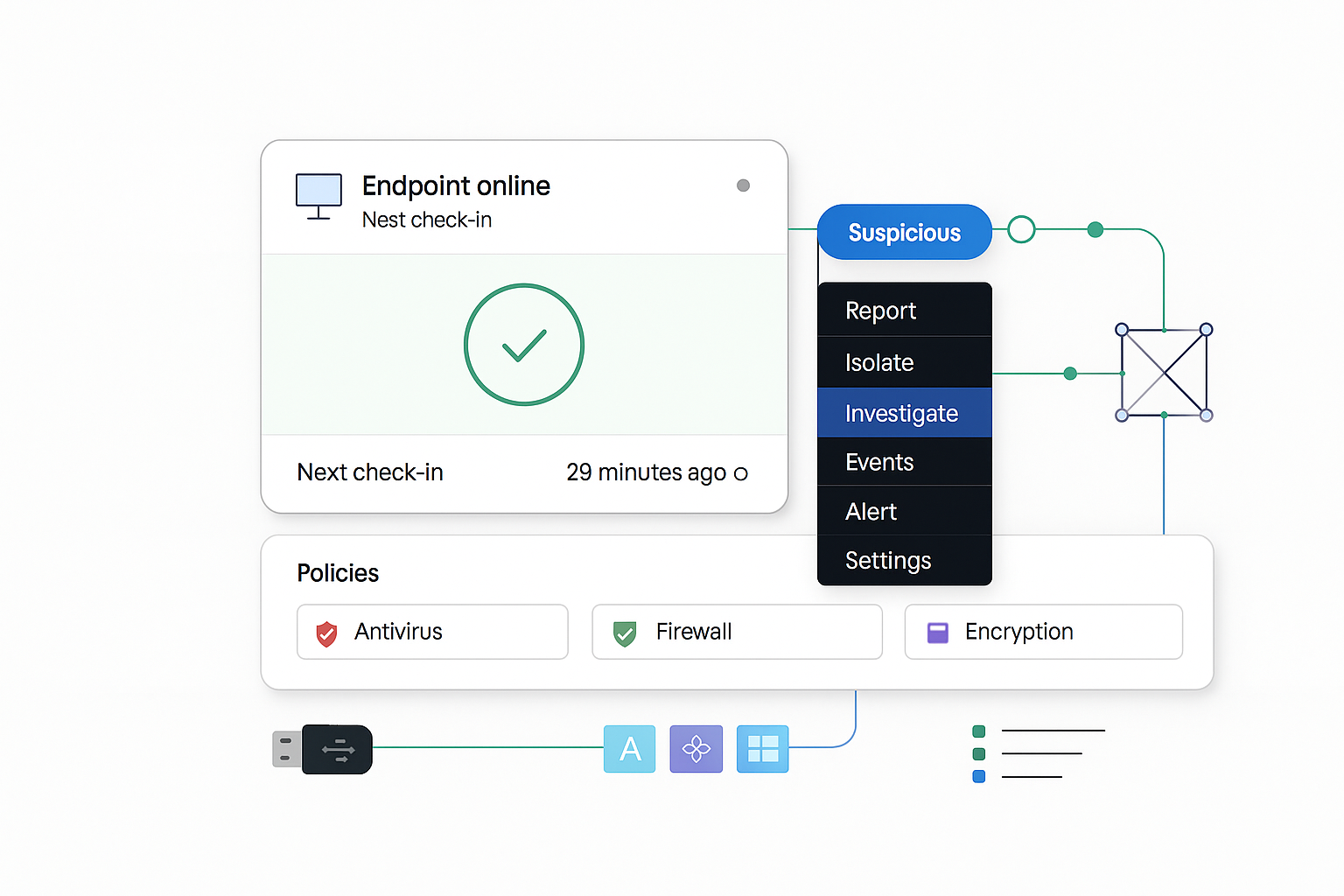


Use a root key to control access to all encrypted workloads across your applications.

Manage and retrieve keys independent of your app’s code base for maximum flexibility.

Compatible with IBM Cloud Satellite and hybrid environments for consistent key control.

Easily embed Key Protect with other IBM Cloud services and third-party applications via RESTful APIs.

Automate key lifecycle tasks such as rotation and version management to meet compliance goals.

Upload and manage certificates to enable encrypted communication using KMIP.
IBM Cloud Key Protect is part of IBM’s broader Data Security and Compliance portfolio.

Supports Bring Your Own HSM (BYOHSM) via IBM Cloud Satellite deployment.
Enables compliance alignment for financial services, healthcare, and regulated industries.

“IBM Key Protect has achieved the IBM Cloud for Financial Services Validated designation—demonstrating compliance with rigorous security and operational controls, further solidifying its trustworthiness for regulated industries.”
“IBM Key Protect has achieved IBM Cloud for Financial Services Validated designation, demonstrating proven compliance with IBM’s rigorous framework for security and data protection in highly regulated industries. Financial institutions trust Key Protect IBM for its advanced access controls, audit-ready encryption, and native IBM Cloud compatibility.”