Enterprise data security is no longer confined to perimeter defenses. Across Australia, New Zealand, Singapore, Malaysia, the Philippines, and Indonesia, regulatory pressure, hybrid cloud adoption, and escalating insider risks have shifted security priorities inward – toward databases and sensitive data stores.
Security leaders are asking harder questions. Are we protecting the network, or are we protecting the data itself? Do we know who is accessing sensitive information? Can we detect anomalous behavior before damage occurs?
IBM Guardium addresses these concerns by focusing directly on database activity monitoring, encryption management, and data governance enforcement. This article provides a practical overview of Guardium’s role in enterprise environments, clarifies common misconceptions, and explains how it integrates with broader data security and analytics ecosystems.
Why Database-Centric Security Has Become Critical
Traditional cybersecurity investments prioritized firewalls, endpoint protection, and intrusion detection. However, breaches increasingly originate from:
- Compromised credentials
- Misconfigured databases
- Insider misuse
- Third-party vendor access
- Cloud mismanagement
If attackers bypass the perimeter, what prevents them from extracting data directly from databases? Are database access logs being actively monitored, or simply archived?
Modern compliance frameworks demand demonstrable control over data access. Enterprises must show not only that systems are protected, but that data usage is traceable and governed.
This shift explains why Guardium has become central to enterprise data protection strategies.
What Is IBM Guardium?
At its core, IBM Guardium is an enterprise-grade data security and database activity monitoring platform designed to protect structured data across on-premise, hybrid, and cloud environments. Its primary focus is visibility and control. Guardium answers a fundamental question that many organizations struggle with: Who is accessing our sensitive data, when, and why?
It provides:
- Real-time database activity monitoring
Guardium continuously monitors database transactions across supported environments. It captures user sessions, queries, and administrative actions without relying solely on native database logs. This enables organizations to detect unauthorized access attempts, privilege abuse, or unusual query patterns as they occur. - Vulnerability assessment
The platform scans database configurations and compares them against security best practices and known vulnerability databases. Misconfigurations, weak passwords, excessive privileges, and outdated patch levels are flagged early before they are exploited. - Data discovery and classification
Guardium identifies where sensitive data resides across structured databases. It can scan for regulated data types such as personal identifiers, financial records, or healthcare information. This is critical because you cannot protect what you cannot locate. - Policy enforcement
Security teams can define behavioral policies based on user roles, access timing, or data sensitivity levels. Guardium alerts or blocks activity when policies are violated, supporting both preventive and detective controls. - Threat detection
Behavioral analytics helps identify anomalies, including insider threats and compromised credentials. Guardium does not rely only on signature-based detection; it analyzes access patterns. - Encryption key management integration
Through integration with IBM Key Protect and related tools, Guardium ensures that encryption keys are centrally managed and audited. - Regulatory reporting
Prebuilt compliance reports support frameworks such as GDPR, HIPAA, PCI DSS, and SOX. Instead of manually compiling audit logs, organizations generate structured compliance evidence.
When exploring IBM’s portfolio, stakeholders often ask, “What are the key features of IBM Watson?” or “Who uses IBM Watson?” Watson focuses on AI-driven analytics and decision support. Guardium operates at the security layer. It protects the data foundation that AI and analytics depend on.
Another frequent question is, “Is IBM Watson open source?” Like Watson, Guardium is not open source. It is engineered for enterprise governance, scalability, and audit accountability.
Before implementation, organizations must define their primary objective. Is the priority compliance documentation, insider threat monitoring, vulnerability management, or enterprise data governance? Guardium supports all of these, but architectural design depends on clarity.
Core Capabilities of IBM Guardium
1. Database Activity Monitoring (DAM)
Database Activity Monitoring is foundational to Guardium’s value.
It tracks:
- Who accessed the database
- What data was queried
- When the access occurred
- Whether activity violated policy
Are privileged users monitored with the same scrutiny as external accounts? Are anomalous access patterns detected in real time?
Guardium enables continuous monitoring across multiple database platforms without relying solely on native database logging. This reduces blind spots.
In regulated sectors, DAM supports audit-ready documentation. It also strengthens insider threat detection.
2. Data Discovery and Classification
Organizations often struggle with basic visibility. Where is sensitive data stored? Is personally identifiable information spread across legacy systems? Does your team maintain an up-to-date database catalog?
Guardium automates discovery and classification of sensitive data.
It identifies:
- Personal data
- Financial records
- Health information
- Intellectual property
If your compliance team were asked to produce a data inventory today, could they respond confidently?
Discovery and classification create a foundation for governance enforcement.
3. Vulnerability Assessment and Risk Scoring
Guardium evaluates database configurations against known security benchmarks.
Common issues include:
- Weak authentication policies
- Excessive privileges
- Unpatched vulnerabilities
- Misconfigured access controls
Are vulnerabilities assessed continuously, or only during annual audits?
Continuous risk scoring allows enterprises to prioritize remediation based on impact rather than guesswork.
4. Encryption and Key Management Integration
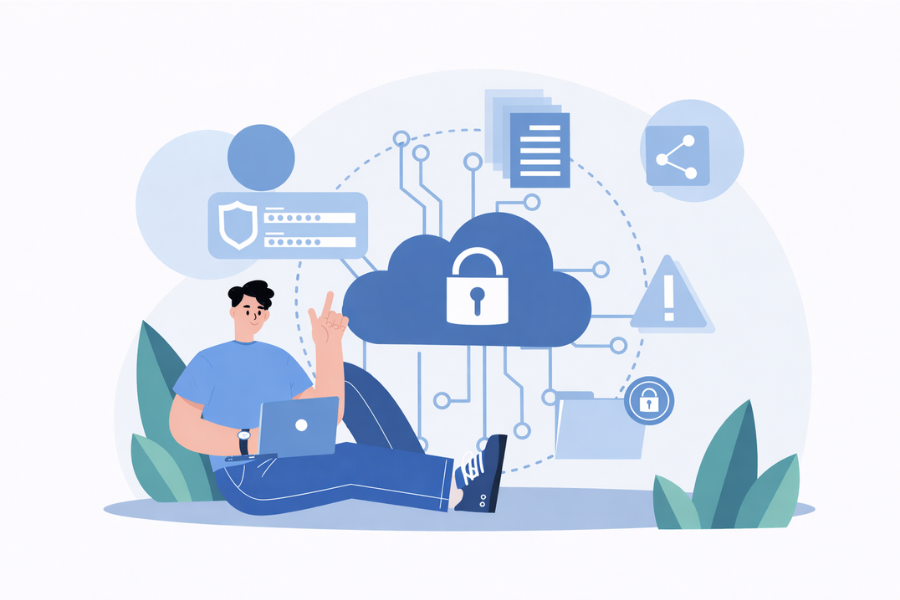
Encryption is only effective when keys are properly managed.
Guardium integrates with IBM Key Protect to ensure encryption keys are securely generated, stored, and rotated.
Is your organization confident that encryption keys are not exposed to unauthorized administrators? Are key lifecycle policies aligned with compliance requirements?
Key management is often overlooked in data security programs. Guardium strengthens this layer.
5. Compliance Reporting and Audit Readiness
Compliance requirements across APAC vary by sector and jurisdiction.
Guardium supports reporting for:
- Financial regulations
- Healthcare compliance
- Data protection laws
- Industry-specific frameworks
Can audit reports be generated instantly, or do teams scramble to assemble logs manually?
Automated compliance reporting reduces operational overhead and improves governance transparency.
Integration Within the Enterprise Ecosystem
IBM Guardium is rarely deployed as a standalone solution. Its real value emerges when integrated into a broader enterprise security and governance architecture.
It integrates with:
- Security Information and Event Management systems
Guardium forwards alerts and logs to SIEM platforms, enabling correlation with network, endpoint, and application-layer data. This creates a unified threat detection model rather than isolated database alerts. - Identity and access management platforms
By correlating database access with identity sources such as Active Directory or IAM tools, organizations can trace activity to specific users and roles, improving accountability. - Data governance platforms
Guardium integrates with governance solutions to align security controls with data classification frameworks. If a dataset is tagged as high sensitivity, monitoring intensity and alert thresholds can reflect that classification. - Analytics environments
Integration with enterprise analytics tools enables risk modeling and operational dashboards. Security events become measurable risk indicators rather than raw technical logs.
Organizations evaluating IBM technologies often broaden their inquiry: “How to access IBM Watson?” or “What is the purpose of Watson Knowledge Studio?” These tools are designed to extract meaning from data. Guardium ensures that the data being analyzed remains secure and compliant.
Similarly, teams ask, “What is DataStage used for?” DataStage supports data transformation and integration workflows. Guardium monitors access to the databases that feed those pipelines.
Is your database monitoring isolated within IT operations, or integrated into enterprise risk management dashboards? Mature organizations embed security telemetry into executive-level reporting, strengthening governance maturity.
Practical Implementation Considerations
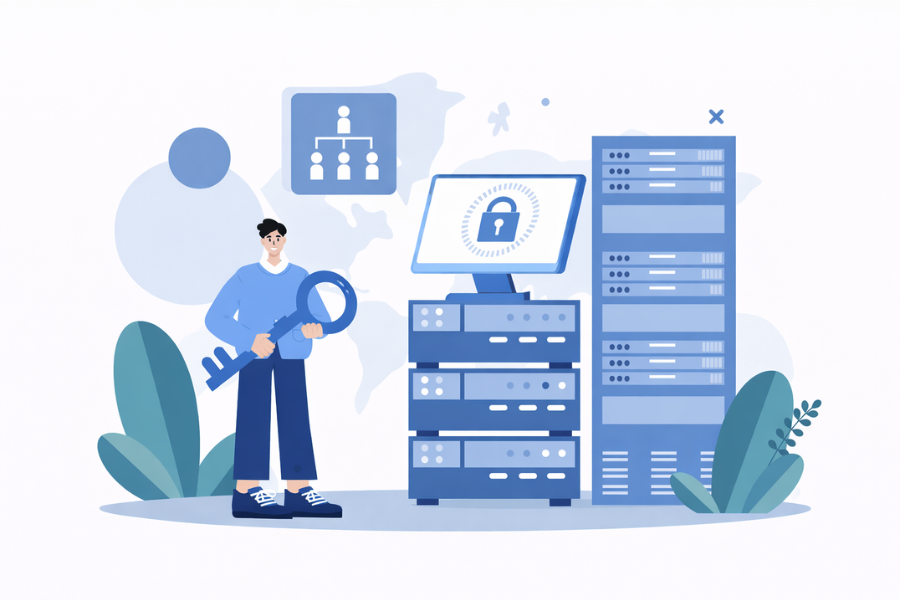
Deploying Guardium is not a simple software installation. It is a structured security program rollout.
Phase 1: Data Mapping
Security and data teams collaborate to identify critical databases. This includes production systems, reporting warehouses, and legacy repositories. Overlooking shadow databases weakens coverage.
Phase 2: Policy Definition
Acceptable use policies must be documented. What constitutes privileged misuse? What query volume qualifies as anomalous? Policies must reflect business context, not just technical defaults.
Phase 3: Monitoring Deployment
Organizations deploy agents or network-based collectors. Performance considerations are critical. Monitoring must be comprehensive without degrading database response times.
Phase 4: Integration and Reporting
Guardium outputs should feed into SIEM, compliance dashboards, and executive reporting tools. Visibility without reporting workflows leads to operational bottlenecks.
During IBM portfolio exploration, executives sometimes ask, “Is IBM Watson AI free?” or “How to get IBM Watson for free?” Enterprise-grade security platforms like Guardium operate under structured licensing models. Security infrastructure is not a free-tier experiment.
Other questions arise: “How to use Watson AI?” or “How to train own AI model for free?” Those are development-focused discussions. Guardium’s purpose is operational security governance, not model training.
Organizations should anticipate:
- Coordination between security, compliance, and database administrators
- Data sensitivity workshops to validate classifications
- Calibration of alert thresholds to prevent noise
- Initial alert fatigue during early rollout
Are response workflows clearly defined? Who investigates alerts? What is the escalation path? Guardium increases visibility, but without disciplined operational processes, alerts become background noise.
Common Misconceptions About Guardium
“Guardium Is Only for Compliance”
Compliance reporting is a major benefit, but the platform’s value extends beyond audit preparation. Real-time detection of suspicious access patterns often prevents incidents before regulatory exposure occurs.
“Database Encryption Alone Is Sufficient”
Encryption protects stored data. It does not monitor user behavior. A privileged user can access encrypted data legitimately, and misuse may go unnoticed without monitoring.
“Guardium Eliminates Insider Risk”
No tool eliminates insider risk completely. Guardium provides detection and visibility, but governance frameworks and access controls remain essential.
In IBM ecosystem conversations, stakeholders sometimes ask, “What happened to IBM Watson AI?” or “Is Watson AI open source?” These relate to IBM’s AI strategy evolution, not database monitoring.
Another frequent executive question is, “Is IBM Watson worth it?” The same principle applies to Guardium. Value depends on risk exposure. For highly regulated industries, the cost of a data breach far exceeds monitoring investment.
Misaligned expectations often stem from product confusion. Guardium is not an AI analytics tool. It is a data protection and governance control layer.
Decision-Making Guidance
IBM Guardium is particularly well-suited for organizations that:
- Process regulated personal or financial data
- Operate across multiple database technologies
- Require centralized governance across regions
- Face frequent audits
- Maintain hybrid or multi-cloud architectures
Executives evaluating IBM platforms may ask broader questions like, “Who uses Watson AI?” or “Is there any free AI I can use?” Those questions relate to innovation initiatives. Guardium decisions should be grounded in risk management, compliance obligations, and operational resilience.
Before adoption, leadership should evaluate:
- Is there dedicated security operations capacity?
- Are governance roles clearly defined?
- Is data classification mature and documented?
- Can the organization sustain continuous monitoring oversight?
Technology strengthens posture, but it does not replace accountability.
Guardium delivers measurable value when paired with operational discipline. Without governance maturity, even advanced monitoring platforms underperform.
FAQs
What is IBM Guardium used for?
IBM Guardium is used for database activity monitoring, threat detection, vulnerability assessment, sensitive data discovery, and compliance reporting. It helps organizations track database access and identify policy violations or suspicious behavior in real time.
Does Guardium replace encryption tools?
No. Guardium complements encryption rather than replacing it. It monitors how data is accessed and used, even after decryption, and integrates with solutions such as IBM Key Protect to strengthen overall security.
Can Guardium monitor cloud databases?
Yes. Guardium supports on-premises, hybrid, and cloud environments, providing consistent monitoring and policy enforcement across distributed database systems.
Is Guardium only for large enterprises?
It is commonly used by large enterprises with complex environments, but it can also scale to mid-sized organizations with regulatory or compliance requirements.
How does Guardium support compliance?
Guardium automates audit reporting, maintains detailed access logs, and generates policy-based alerts, helping organizations meet regulatory standards with clear, defensible audit trails.
Data Security as Continuous Governance
Enterprise data security is no longer a perimeter exercise. It is an ongoing governance discipline that requires visibility, monitoring, and integration across systems.
IBM Guardium provides structured oversight of database environments, helping organizations move from reactive audit preparation to proactive risk management. Its effectiveness depends on policy clarity, integration maturity, and operational discipline.
In environments where data represents both opportunity and liability, database security is not an IT function alone. It is a core component of enterprise resilience and regulatory accountability. For organizations seeking to implement or optimize IBM Guardium within broader IBM security and data governance architectures, Nexright brings the consulting depth, integration expertise, and regulatory alignment required to turn platform capability into measurable risk reduction.