99% accuracy rate in speech-to-text conversion, ensuring high-quality, intelligible output.

Available in 16+ languages with a wide variety of accents, catering to diverse global audiences.

80% faster integration time compared to competitors, simplifying adoption for businesses.
01

Lightning-fast data access, 8 times speedier, while slashing costs across cloud and on-premises data sources.
02

Free up data engineers for high-value tasks with 25-65% fewer ETL requests.
03

Say goodbye to $27 million in manual cataloging costs, just as IBM Global Chief Data Office did.
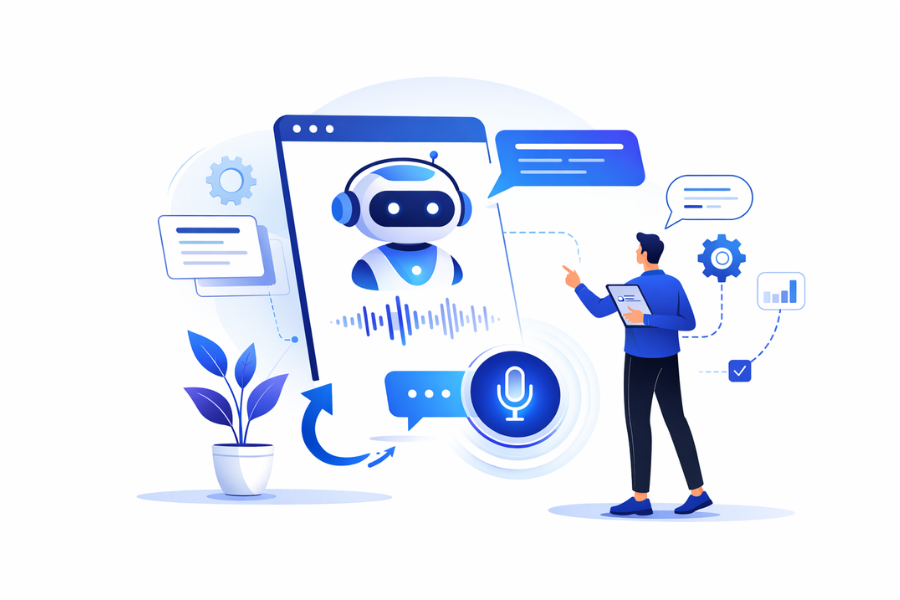
AI-driven speech that sounds natural, with emotional tone and intonations.

Enables dynamic, instant voice responses, ideal for chatbots and voice assistants.
Tailor pronunciation of terms to maintain content accuracy and clarity.
Extensive language options to reach diverse audiences across global markets.

Adapt the voice's tone and style to suit your brand’s needs, whether professional or conversational.

Easy implementation into existing platforms and applications for a smooth user experience.
Watson TTS supports over 16 languages, including English, Spanish, French, and more.

Trusted by hundreds of global companies, from small startups to large enterprises.

Scalable for any industry, from healthcare to e-commerce, with customizable use cases.
Empowering Inclusive Education with IBM Watson Text to Speech
A leading education technology provider wanted to improve accessibility for students with reading challenges by converting classroom materials into clear, natural-sounding audio. Rising demand, limited teacher time, and the need to support diverse learning styles were hindering student outcomes.
By implementing IBM Watson Text to Speech, the organization—supported by Nexright—automated the conversion of educational content into high-quality audio, enabling more inclusive learning, improving comprehension, and extending the reach of educators.
Business challenge
The education provider struggled to keep pace with student needs in an era where accessibility has become a core requirement, not an optional feature.
Manually converting assignments, reading passages, lesson plans, and assessments into accessible formats consumed significant teacher time. Students with dyslexia, visual impairments, or reading difficulties needed more consistent support, but schools lacked the operational bandwidth.
Key Challenges:
- Time-Consuming Manual Processes
Teachers often spent hours manually recording or adapting content into audio formats. - Inconsistent Quality
Audio created by different staff members varied widely in clarity, tone, and pacing. - Limited Accessibility for Students
Students needing alternative formats received support inconsistently, affecting performance. - Scalability Constraints
As curriculum demands expanded, the team could not keep up with growing accessibility requirements.
The institution needed an automated, scalable, and high-quality text-to-audio solution that could personalize student support and reduce teacher workloads.
Solution
Partnering with Nexright, the organization deployed IBM Watson Text to Speech to automate the conversion of classroom content into clear, human-like audio in multiple languages and voices.
Watson’s AI-powered speech synthesis transformed static learning material into dynamic auditory experiences, enabling students to learn at their own pace and in the format they understood best.
Solution Highlights:
- Automated Audio Generation
Automated conversion of textbooks, worksheets, online modules, and reading passages into high-quality speech. - Multi-Voice Personalization
Different voice options allowed educators to match tone and clarity to student age groups and learning preferences. - Real-Time Audio Rendering
Students received instant audio support for newly uploaded content, reducing wait times dramatically. - Consistent Quality at Scale
Watson ensured uniform pronunciation, pacing, and tone across all audio lessons—eliminating variability. - Seamless Platform Integration
Nexright integrated Watson Text to Speech directly into the provider’s LMS, enabling one-click audio creation inside existing workflows.
Solution components
- IBM Watson Text to Speech
- IBM Cloud AI Services
- Custom LMS Integration by Nexright
Inclusive Learning Enablement
Provided immediate audio alternatives for written content, strengthening accessibility for students with dyslexia, visual impairments, or attention challenges.
Enhanced Student Performance
Improved comprehension and retention through multimodal learning—students could listen while reading or learn solely through audio.
Teacher Productivity Optimization
Reduced manual workload significantly, enabling teachers to focus on instruction and personalized support instead of repetitive content conversion tasks.
Result
- 70% reduction in teacher time spent preparing accessible audio materials.
- Improved comprehension and engagement among students with reading-related learning challenges.
- Consistent, high-quality audio output across all lesson materials.
- Expanded instructional reach, allowing educators to support more students without additional labor.
- Significant improvement in accessibility compliance, supporting district-wide inclusion goals.
Watson Text to Speech has transformed how we support students who learn differently. What once took educators hours now takes minutes. The clarity and consistency of the audio output helps our students stay engaged and confident.
— Director of Learning Innovation, Education Technology Provider

IBM Watson TTS has revolutionized the way we communicate with our customers. The tool’s ability to convert text into natural-sounding speech has significantly improved our customer service operations.
Global Financial Institution